
પ્રમાણ 4Proof 4
ભક્તોને શ્રીકૃષ્ણવલ્લભાચાર્યજી મહારાજમાં થયેલા ભગવાનપણાનાં 39 ગુણોના દર્શન...The 39 qualities of Bhagwan that devotees saw in Shri Krushnavallabhacharyaji Maharaj...
પાનાંનું લખાણ
શ્રીકૃષ્ણવલ્લભાચાર્યજી મહારાજમાં ભગવાનપણાનાં ૩૯ ગુણોના દર્શન અનેક ભક્તોએ કર્યા છે તેનું વર્ણન
લિ. શ્રીહરિ શરણાગતિ મંડળ
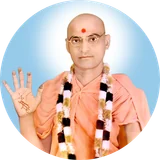
શ્રીકૃષ્ણવલ્લભાચાર્ય સ્વામીજી એક દૈવી પુરૂષ છે. નૈસર્ગિક દૈવી મહાપુરૂષોના ગુણ શ્રીસ્વામીજીમાં અનુભવાય છે. સ્વામીજી બાળ બ્રહ્મચારી છે, કિશોરાવસ્થાથી જ ત્યાગી વૈષ્ણવ સંતની ભાગવતી દીક્ષા લઈ પોતાના પૂર્વ જન્મના નૈસર્ગિક ચમત્કાર ભર્યા સદ્ગુણોથી જ્ઞાની મહાસમર્થ સંત સ્થિતિમાં સદા વરતતા આવ્યાં છે. પરિચય, આશ્રય કે સત્સંગમાં આવેલા બધા લોકોને તેમના સ્વભાવ સિધ્ધ દિવ્ય સદ્ગુણો પ્રત્યક્ષ જોવામાં આવે છે. બાળપણથી જ ભગવાનની મૂર્તિની સામે બેસીને તાળીઓ વગાડીને ભજન, ધૂન કરતા. જન્મ સ્થાનમાં જ પ્રભુની આરાધનામાં વધારે પડતા રહ્યાં કરતા હતા. માળા હાથમાં લઈ મણકાને ખેંચતા, નારાયણ નારાયણ બોલતાં, પ્રભુ પ્રસાદ, નૈવેદ્ય મળ્યા પછી ભોજન કરતા, પ્રભુને જળ ધરાવતા, ફૂલ ચડાવતા, પાંચ વર્ષ વિત્યા પછી સ્નાન નિયમથી કરી સ્વતંત્ર પૂજા કરતા હતાં. ચિત્ર પ્રતિમાને સ્થાપી દહીં મિસરી જમાડતા, દંડવત્-પ્રદક્ષિણા કરવી, મૂર્તિનો સ્પર્શ કરી હાથને મસ્તક પર તથા નેત્રો પર અડાડવા, પૂજા વિસર્જન કરવી, અન્ય પૂજા કરનારાઓને પણ પ્રણામ કરી દેવદર્શન કરવા, કથા પણ સાંભળવી, સાયંકાળે દેવદર્શને જવું વગેરે વગેરે ભગવદિય ક્રીયા કરતા હતા. દરેક લોકો તેમને દૈવી આત્મા કહેતા હતા. એકાદશીનું વ્રત કરતા હતા, માતાએ વ્રતમાં દૂધના માવાની બરફી ફળાહાર માટે આપી, તો માતાને કહ્યું આ તો ઘઉંના લોટવાળી હોય તો મારું વ્રત ભંગ થાય, ત્યારે માતાએ કહ્યું આ તો દૂધના માવાથી બની છે. આમાં લોટ નથી, ત્યારે ફળાહાર માટે ખાધું. આ રીતે ભાગવત ધર્મવાળી તપયુક્ત ભક્તિમાં મગ્ન રહેતા હતા. આ રીતના દૈવીપુરૂષમાં દયા-પરોપકાર-દાન વગેરે વગેરે અનેક સદ્ગુણ બાળપણથી જ જોવામાં આવતાં હતાં.
શ્રીકૃષ્ણવલ્લભાચાર્યજી મહારાજમાં ભગવાનપણાના ૩૯ ગુણોના દર્શન અનેક ભક્તોએ કર્યા છે, તેનું ટૂંકમાં વર્ણન...
(૧) સત્ય : વાણીથી સત્ય બોલવું, મનમાં સત્યના જ સંકલ્પ કરવા, કર્મ પણ સત્ય જ, શુભ જ કરવા આ ત્રણેય ગુણ આ પરમપુરૂષમાં હતા.
(૨) શૌચમ્ : શરીરની સ્નાન આદિથી શુદ્ધિ, વાણીમાં સત્ય દ્વારા પવિત્રતા, મનથી ખરાબ સંકલ્પ જ ન કરવા, સ્વામીજીને આ ત્રણેય પ્રકારની શુદ્ધિનું પાલન કાયમ હતું.
(૩) દયા : કોઈપણ જીવને ન દુભવવો, બીજાના દુઃખને સહી પણ ન શકવું, પર દુઃખ દૂર કરવા પ્રયત્ન કરવા. સ્વામીજી ક્યારેય પણ કોઈ તણખલાને પણ તોડતા ન હોતા. કોઈ જંતુને મારતા નહોતા, શરીરમાં ડંખ મારનારા જંતુને પણ ઉડાડતા ન હોતા.
(૪) ક્ષાન્તિ : અપરાધ સહન કરવો, નાના-મોટા કોઈપણ દુઃખ આપતા હોય અથવા દોષારોપણ કરતા હોય અથવા પાછળ પડી ગયા હોય, આખી જીંદગી દ્વેષ કરતા રહ્યાં છતાં પણ તેમની સામે ન બોલવું સામે ન થવું, સહન કરીને ક્ષમા કરી નમ્રતાથી હટી જવું, સાધુવૃત્તિથી બધું સહન કરી લેવું. આ ઉદાહરણો સ્વામીજી માટે મોટાં મોટાં ઉપદ્રવોમાં પણ પૃથ્વી સમાન ક્ષમા રાખવાનો સ્વભાવ લાખો માણસોમાં પ્રસિદ્ધ છે. દ્વૈષી ઉપદ્રવીઓને પણ સમય આવ્યે સ્વામીજીએ બચાવ્યાં છે.
(૫) ત્યાગ : સર્વસ્વદાતા હતા, પાસે જઈને કોઈ માંગે તો આપી દે, અસંગ્રહ નામનો ગુણ સ્વામીજીમાં જીવનપર્યંત જોવામાં આવ્યો છે.
(૬) સંતોષ : બધા પ્રકારની સારી રીતે પૂર્ણતૃપ્તિ અતૃપ્તિનો અંશ પણ નહીં, તેનાથી ઘણું સુખીપણું રહે છે. સ્વામીજીનું અંતર સદાય સુખી જ માલુમ થાતું.
(૭) આર્જવમ્ : બાળ-યુવા-વૃદ્ધ, સદ્ગુણી-દુર્ગુણી, શિક્ષિત-અશિક્ષિત બધા પ્રતિ સરળપણું રાખવું, આ મોટો ગુણ સ્વામીજીમાં જોવામાં આવે છે.
(૮) શમ : મનનો નિગ્રહ કે મન શાંત રહેવું, સ્વામીજીનું મન સદા શાંત જ રહેતું કેટલાંય પ્રકારના વિક્ષેપો આસપાસમાંથી પસાર થાય, તો પણ સ્વામીજી થોડી એવી પણ ચંચળતા નહોતા જણાવતા.
(૯) દમ : ઈન્દ્રિયોના વેગનું વિષયો પ્રતિ લાગવું જ નહીં. જોવું, સાંભળવું, આદિ આદિ નિરર્થક કંઈ પણ ન કરવું, આવું દમન જીવનભર બ્રહ્મચારી સ્વામીજીમાં હતું.
(૧૦) તપ : શાસ્ત્રવિધિ પ્રમાણે ધર્મ પાળવો, જ્ઞાનપૂર્વક ભોગનો સંકોચ કરવો, ઈશ્વર ઈચ્છાથી પ્રાપ્તથી નિર્વાહ કરવો, ભૂખ-તરસ સહેવા, ઠંડી-ગરમી સહન કરવી વગેરે વગેરે તપસ્યા કરવી, જીવનભર સ્વામીજી આ રીતીથી વર્તતા જોવા મળતા.
(૧૧) સામ્યમ્ : આત્માને છોડીને બાકીના તત્ત્વોને યથાર્થ સમજીને તેની મિત્રતા નહીં તથા શત્રુતા પણ નહીં, શત્રુ-મિત્રભાવ રહિત વર્તવું. સ્વામીજી કહે છે કે,‘સિંહથી દૂર ભાગો છો તો કૂતરાને શા માટે મારવા દોડો છો ?' સબળથી ભાગો છો તો નિર્બળથી પણ દૂર રહેવું, અર્થાત્ પીડા ન આપવી, આ પ્રકારની સામ્ય દ્ષ્ટિ સ્વામીજી કાયમ રાખતા.
(૧૨) તિતિક્ષા : શરીર, ઈન્દ્રિય, અંતઃકરણ દ્વારા કોઈ હર્ષ-શોક આવ્યા કરે તો તે દ્વન્દ્વોમાં ન ઘૂસવું. શરીર આદિમાં તત્ત્વોના ઝઘડવાથી તોફાન થાય તો તેને દૂર કરતા રહેવું પણ તેમા સામેલ ન થવું. આવો સ્વભાવ સ્વામીજીમાં બરાબર જોવામાં આવતો.
(૧૩) ઉપરતિ : નિષ્ફળ, અયોગ્ય, અઘટિત, અનુપકારી, અજ્ઞાસ્ત્રીય, મફતનો વેપાર-ઉદ્યોગ વગેરેમાં પ્રવૃર્ત નહિ નિવૃત્ત રહેવું, જરા પણ પ્રીતિ ન કરવી, વિરક્ત રહેવું. આ ગુણો વિચારશીલ સ્વામીજીમાં હતા.
(૧૪) શ્રુતમ : - જીવનમાં અધિકાર અનુસાર સત્શાસ્ત્ર આદિનું શ્રવણ કરી શબ્દ પ્રમાણસિદ્ધ, શાબ્દિકજ્ઞાન પ્રાપ્ત કરવું, વેદ, શાસ્ત્ર, સંહિતા, પુરાણ, ઈતિહાસ, અલંકાર, જ્ઞાન વગેરેના અધ્યયન દ્વારા પણ લૌકિક-અલૌકિક યથાર્થ જ્ઞાનવાળા હોવું, સ્વામીજી આ યુગમાં વ્યાસ સ્વરૂપ જ્ઞાની-વિજ્ઞાની પ્રતિભાશાળી જ્ઞાની હતા.
(૧૫) જ્ઞાનમ્ : તત્ત્વોનું જ્ઞાન આત્મા, પરમાત્માનું અધિકાધિક જ્ઞાન, સંપ્રજ્ઞાત-અસંપ્રજ્ઞાત, સવિકલ્પ-નિર્વિકલ્પ, પૌરૂષેય બોધ, સાક્ષી ચૈતન્ય પ્રકાશ વગેરે વગેરે ઉચ્ચકક્ષા સુધીની સંજ્ઞપ્તિઓ, પ્રમાણ-પ્રમેય- પ્રમાતા, પ્રમિતીઓનું વિશદ્ વિજ્ઞાન સ્વામીજીમાં હતા.
(૧૬) વિરક્તિ : રાગ, ધૃણા, પકડી રાખવાનો આગ્રહ ન હોવો, વૈરાગ્ય હોવો, ત્યાગવાનો પ્રયત્ન કરવો, નહીં ત્યાગેલાને પણ ત્યાગવાનું અનુસંધાન રાખવું, મનમાં જ આભાસ થયો હોય તેને પણ ત્યાગવું, આત્મા સુધી પહોંચવાજ ન દેવું, આવી સ્થિતિમાં વરતવું, બધાને ખોટું જાણવાથી સત્યભાવથી રાગનું ન હોવું, સ્વામીજીએ લાખો રૂપિયાની શાળાઓ, મંદિરો બનાવ્યા અને ત્યજી પણ દીધા હતા.
(૧૭) ઐશ્વર્યમ્ : સ્વામીજીમાં ઈશ્વર સમાન ઐશ્વર્ય હતું. જ્ઞાન-વિજ્ઞાનમાં, વચનસિદ્ધિમાં, સત્યસંકલ્પમાં, તેજમાં, આત્મબળમાં, અપ્રધૃષ્યતામાં, શરીર સ્વાસ્થ્યમાં, અનેક પ્રકારની સિદ્ધિઓમાં ઈષ્ટ ફળ પ્રાપ્ત કરવું, તે સ્વામીજીમાં બળવાન ઐશ્વર્ય જોવામાં આવ્યું છે. છ પ્રકારના ઐશ્વર્યોમાંથી કયાંક ક્યાંક કોઈ ઐશ્વર્ય પ્રયુક્ત કર્યું છે. તેના પ્રતાપથી કૃપાપાત્ર લોકો પ્રભુ સમાન પરમ પુરૂષ માને છે. કેટલાંય લોકોને ઘડપણમાં પણ પુત્રફળ આપ્યા છે. સ્વામીજીએ ભૂત, પ્રેત, પિશાચ, ડાકીની, શાકિની, યોગિની, વૈતાલી આદિના ઉપદ્રવોથી કેટલાંય શરણાગતોની રક્ષા કરી છે. આ પ્રકારના અનેક પ્રસંગો પ્રસિદ્ધ છે. કેટલાંય લોકોના રોગ-મહારોગ મટાડ્યા છે, માયાનો મહારોગ પણ મટાડ્યો છે, કેટલાંય પ્રાણત્યાગ કરનારાઓને પોતે જ સંત સ્વરૂપમાં દર્શન આપીને દિવ્યસ્વરૂપમાં મોક્ષમાં લઈ ગયા છે. કેટલાંય ભક્તોને સ્વપ્નમાં પોતે ભગવત સ્વરૂપના દર્શન આપ્યા છે. કેટલાંય લોકોને સૂર્ય પ્રકાશમાં પણ બીજા સ્વરૂપે દર્શન આપ્યા છે, આવું અલૌકીક ઐશ્વર્ય અનેકને ભગવાનપણાનું ભાન કરાવે છે.
(૧૮) શૌર્યમ્ : કોઈથી ડરવું નહીં, નિર્ભય રહેવું, આશ્રિતને નિર્ભય કરવો, સ્વામીશ્રીમાં મોટો ગુણ હતો. આપત્તિમાં ફસાયેલા જીવોને શૂરવીરતાથી છોડાવ્યા હતા.
(૧૯) તેજ : સભા, સમાજ, સમૂહ, મહોત્સવ, આદિકમાં તેજસ્વી પ્રભાવવાળા સ્વામીજી દેખાતા.
(૨૦) બલમ્ : પ્રાણાયામ રોકવા, આત્મબળથી બીજું સ્વરૂપ ધારણ કરીને બળથી નિયમન કરવું. નિયમન બળ વાપરવું. આદિક શક્તિ સ્વામીજીમાં હતી.
(૨૧) સ્મૃતિ : યોગ્ય સમયે માનવસ્વરૂપમાં ઝડપથી યોગ્યને સંભારવું, શાસ્ત્રાર્થમાં ગંગાના પ્રવાહસમાન સ્મૃતિધારાઓ સ્વામીજી વહેવડાવતા.
(૨૨) સ્વાતંન્ત્રયમ્ : કોઈપણ કામમાં અન્ય સહાયકની પરતંત્રતા ન હતી. પોતાની રૂચિ પ્રમાણે કાર્ય કરી બતાવતા.
(૨૩) કૌશલમ્ : ૬૪ કળાઓમાં સ્વામીજીની નિપુણતા હતી. સ્વામીજીમાં કામગીરીની કેટલીય કળાઓના ઘણાએ દર્શન કર્યા હતા.
(૨૪) કાન્તિઃ ચન્દ્ર સમાન શરીરમૂર્તિમાં ઉજ્જવળતા, નિરતિશય પ્રકાશ હોવાથી સ્વામીજી શ્વેતાયન વ્યાસ રૂપમાં શોભતા હતા.
(૨૫) ધૈર્યમ્ : કયાંય પણ પીછેહઠ ન કરવી, હારી ન જવું, પર્વત સમાન ધીરજ રાખવી, મોટાં મોટાં ઝંઝાવાતોમાં, માણસોએ ઊભા કરેલા સમરાંગણમાં પણ રૂંવાડુય ન ફરકવું. છાતીમાં ધડક-ધડક ન થવું, આ ગુણ પણ સ્વામીજીમાં હતો.
(૨૬) માર્દવમ્ : કોઈના પ્રત્યે ક્રૂરતા ન કરવી, અતિ કોમળ રહેવું, તે સ્વામીજીમાં ગુણ હતા.
(૨૭) પ્રાગલ્ભ્યમ્ : મોટા સભા સંમેલનોમાં, કાર્યવાહીઓમાં, વ્યાખ્યાનોમાં, પારાયણોમાં પ્રશ્ન, ઉત્તરમાં પ્રતિ ઉત્પન મતિ દ્વારા પ્રતિભાશાળી પૂર્ણ પ્રતિભાવાળા સ્વામીજી હતા.
(૨૮) પ્રશ્રય : મોટાની સમક્ષ નમ્રભાવ, સમાન પ્રતિ આદરપૂર્વકનો વિવેક સ્વામીજીમાં હતો.પોતાના આસને કોઈ પણ આવે-જાય તેમના પ્રતિ નમ્ર ભાવનાવાળા નમન કરે તેમને સામા નમે, દંડવત્ કરે તેને પણ આશીષ આપે, બાળકને પણ હસીને બોલાવે, દૂધ પીતા બાળકને પણ કંઠી, મંત્ર આપે ત્યારે હસીને અતિ કોમળ સૌમ્ય રૂપથી અપનાવે, સાકરનો કણ મુખમાં આપે ઈત્યાદિ વિનય કરે સ્વામીજીમાં હતો.
(૨૯) શીલમ્ : વ્રત રાખવું, કામને પોષણ ન આપવું, સારો સ્વભાવ, મિલનસાર સ્વભાવ સ્વામીજીનો હતો.
(૩૦) સહઃપ્રાણ : નિયમન કરી શકવાનું સામર્થ્ય, સારું ખરાબ જે કઈ આવી પડે તે લાભ-નુકસાનને બધી રીતે અપનાવવું, સહી લેવું આ મોટું સામર્થ્ય સ્વામીજીમાં હતું.
(૩૧) ઓજ : અન્ન, જળ, વસ્ત્ર, વાહન, ધન, જ્ઞાન દેવાનું સામર્થ્ય હતું, ઉપદેશનું મોટું સામર્થ્ય પણ સ્વામીજીમાં હતું.
(૩૨) સુબલમ્ : તત્ત્વોને ધારણ કરવાનું સામર્થ્ય, મેધાનું સામર્થ્ય, ગાંઠ ઉકેલવાનું સામર્થ્ય સ્વામીજીમાં હતું.
(૩૩) ભગઃ જ્ઞાન, શક્તિ, બળ, વીર્ય, ઓજ અને ક્રિયા વગેરે પ્રતાપરૂપે થતાં રહેવું, ઓછું ન થવું વધતુ રહેવું. આ રીતે ઉત્કર્ષણયુક્ત સ્વામીજી હતા. માટે ‘ભગ' વાળા ભગવાન સ્વામીજી કહેવાતા.
(૩૪) ગાંભીર્યમ્ : અભિપ્રાયોમાં, કાર્યમાં ઉંડાણ, તળિયું હાથ ન આવે એવુ ઉંડાણ સ્વામીજીમાં હતું.
(૩૫) સ્થૈર્યમ્ : ક્રોધ, દ્વેશ, ઉદ્વેગ, ઉદાસીનતા આદિના પ્રસંગ ઉપસ્થિત થવા પર પણ તેનો વિકાર ન થવા દેવો, ક્રોધાદીકનો સદા ને માટે લય કરવો, આ ગુણ સ્વામીજીમાં હતો.
(૩૬) આસ્તિકયમ્ : શાસ્ત્રો પ્રદર્શિત અર્થમાં પણ વિશ્વાસ, પુણ્ય, પાપ, સ્વર્ગ, નર્ક, દેવ, ઈશ્વર, મોક્ષ આદીમાં તથા બ્રહ્મલોક, પરબ્રહ્મ તેના અવતાર વગેરે વગેરેમાં તથા વ્રત, તપ, ભક્તિના ફળમાં પણ સત્યતાનો વિશ્વાસ હોવાની બુદ્ધિ આ આસ્તિકતાનો મોટો ગુણ સ્વામીજીમાં હતો.
(૩૭) કીર્તિ : જગતભરમાં કીર્તિ થવી, યશ ફેલાવો, લોકોમાં સારી પ્રસંશા થવી આ ગુણ સ્વામીજીમાં હતો.
(૩૮) માન : યોગ્ય રીતે રહેવું પરંતુ સૌને સન્માન આપવું મધુરતાથી વ્યવહાર કરવો. સ્વયં નિર્માની રહેવું આ ગુણ પણ સ્વામીજીમાં હતો.
(૩૯) અનહંકૃતિ : પોતાપણાનો અહંપણાનો રૂપદોષ સ્વામીજીમાં નહોતો. દેહનું, ભવનનું, જ્ઞાનનું, પાંડિત્યનું, કોઈપણ પ્રકારનું અહંપણુ, મમત્વપણું નહોતું.
આ ૩૯ ગુણો પ્રભુના જેનામાં આવ્યા હોય, ઉપજ્યાં હોય, દેખાતા હોય, તે પણ પ્રભુ તુલ્ય છે. માટે જ સંત સ્વરૂપમાં શ્રીકૃષ્ણવલ્લભાચાર્યજી મહારાજ સ્વયં ભગવાન જ છે. આ વાત નિઃસંદેહ સિદ્ધ થાય છે.
ભારતમાં અનેક પ્રકારના શાસ્ત્રો લોકકલ્યાણ માટે પ્રવર્તિત થયા છે જેમ કે, સુખપૂર્વક જીવન વ્યતિત કરવા માટેનું નીતિશાસ્ત્ર, અનેક બીમારીઓના રસ્તા વર્ણવતું આયુર્વેદ શાસ્ત્ર, કાયદાઓના નિયમો વર્ણવતું રાજશાસ્ત્ર વગેરે. એ જ રીતે કોઈ મહાન વ્યક્તિના સદ્ગુણ સત્કાર્યો, સૌજન્ય, ઉત્કર્ષ વગેરે દર્શાવતું શાસ્ત્ર એટલે ‘અભિનંદન શાસ્ત્ર’.
આ સૃષ્ટિમાં નવીન રચના કાર્યમાં જે ઉત્તીર્ણ-પ્રવીણ છે તે અભિનંદનને પાત્ર છે.
મહારાજના જીવન-ગુણો તેમજ મહાવિદ્વત્તાને દર્શાવતા તથા તેમના લિખિત ગ્રંથોનો પરિચય આપતા ‘અભિનંદન ગ્રંથ’માં ધર્મગુરુઓ, મહામંડલેશ્વરો, સંતો-મહંતો, રાજકીય મહાનુભાવો તેમજ દેશ-વિદેશની અનેક યુનિવર્સિટીઓ, સંસ્કૃત મહાવિદ્યાલયો તેમજ કોલેજોના વિદ્વાન પંડિતો, ચાન્સેલરો, રીડરો, પ્રોફેસરો, પ્રિન્સિપાલો, ડાયરેકટરો તેમજ અધ્યાપકોના ગહન કિંમતી લેખો-અભિપ્રાયો મહારાજ પ્રત્યે છે.
વિદ્વાનો તરફથી સમર્પિત થયેલો ‘અભિનંદન ગ્રંથ’ એ મહારાજના શાશ્વત સ્મરણ માટે જગતને નિઃસંદેહ ઉપકારક થશે.
જગતમાં હાલના વર્તમાન સમયમાં અંગ્રેજી ભાષા ઠેર ઠેર વધી પડવાથી સંસ્કૃત ભાષા નિર્બળતાને પામી છે, પરંતુ ભવિષ્યમાં લાંબા કાળે વિશ્વની જનતા મહારાજની ગંભીર વિદ્વતાને તેમના શાસ્ત્રો તેમજ અભિનંદન ગ્રંથ દ્વારા પણ ઓળખતી થશે તે પ્રમાણે વિદ્વતા મેળવતી થશે અને સંસ્કૃતના જીવનને પોષણ આપતી થશે. ત્યારે ફરી સર્વ જગતમાં સંસ્કૃત જીવન ચાલુ થશે અને વિદ્વાનોની દુનિયા તૈયાર થશે.
મહારાજના અભિનંદન ગ્રંથ પરથી પ્રેરણા લઈને ભવિષ્યમાં અનેક ભારતીય લેખકો તેમજ મોટા વિદ્વાનો થશે અને ભારતની સેવા કરી મોક્ષ પણ મેળવશે.
મહારાજે પોતાના ભક્તોને એક પત્ર લખી તેમાં જણાવ્યું હતું કે, ‘પરમપુરુષ એવા અમને અભિનંદન ગ્રંથમાં વિદ્વાનોએ પ્રગટ પ્રભુ, ઈશ્વર, સરસ્વતી, શંકર, વાચસ્પતિ, બ્રહ્મ, નારાયણ, વ્યાસ આદિ અનેક સ્વરૂપે ઓળખ્યા લખ્યા છે માટે ઘરમાં ભગવાનને વિશેષપણે રાખવા હોય તેણે આ ગ્રંથ ઘરે રાખવા જેવો છે.’ માટે જ નિઃસંદેહ સ્વામીશ્રી આ અભિનંદન ગ્રંથમાં પ્રગટ રહ્યા થકા અનંત જીવાત્માઓનું આત્યંતિક કલ્યાણ કરશે જ.
અભિનંદન ગ્રંથ દ્વારા વિદ્વાનો ‘શ્રીકૃષ્ણવલ્લભાચાર્યજી મહારાજના સન્માનની સાથો સાથ ભારતીય સંસ્કૃત, સંસ્કૃતિ, શાસ્ત્ર સમૂહ તેમજ વિદ્યાઓ’નું પણ અભિનંદન કરી સ્વયં પણ અભિનંદ્ય થયા છે.
વિદ્વાનો દ્વારા મહારાજનું અભિનંદન એ ભારતના ગૌરવ માટે અને ભારતીય વિદ્યાઓની કીર્તિ વધારનારું થયું છે.
ભારતમાં મહારાજ જેવા સત્યતીર્થનું સન્માન એ આંતરરાષ્ટ્રીય મહાન યુગપુરુષનું સન્માન છે, તેથી જ ભારતનું સન્માન પણ ગૌરવભર્યું છે. મહારાજ માત્ર ભારતના જ નહિ પરંતુ વિશ્વના કિંમતી મહારત્ન છે, વિશ્વવિભૂતી છે.
ભવિષ્યમાં આ અભિનંદન ગ્રંથ એ ‘અનેક વિદ્વાનો ઉપજાવવાની’ દેશને પ્રેરણા કરશે.
અતિ આશ્ચર્યની વાત એ પણ છે કે, પ્રત્યક્ષ દર્શન વિના પણ મહારાજના વિદ્વતાપૂર્ણ અદ્ભુત ગ્રંથોથી પ્રભાવિત થયેલા વિદ્વાનોએ અંતરથી સ્વીકાર્યું કે ‘સ્વયં ઈશ્વર સિવાય આવી શાસ્ત્રરચના તેમજ ગુણો-કાર્યો શક્ય નથી’. માટે જ દેશ-વિદેશના અનેક વિદ્વાનો મહારાજને અભિનંદન આપ્યા વિના ન રહી શક્યા.
Text of the pages
A description of the 39 godly qualities that many devotees have seen in Shri Krushnavallabhacharyaji Maharaj
Written by: Shri Hari Sharanagati Mandal
Shri Krushnavallabhacharyaji Swamiji is a divine person. The virtues of the natural, divine great souls are experienced in Shri Swamiji. Swamiji is a lifelong celibate; from his youth he took the Bhagavati initiation of a renouncing Vaishnav saint, and with the wonder-filled virtues natural to him from his previous births he has always lived in the state of a knowing and mighty saint. All the people who have come into contact, shelter or satsang with him see his naturally perfect divine virtues directly. From childhood he would sit before the murti of Bhagwan, clap his hands and sing bhajans and dhun. In the place of his birth he stayed absorbed, more than anything, in the worship of the Lord. He would take the mala in his hand and draw the beads, saying “Narayan, Narayan”; he would eat only after receiving the Lord’s prasad and naivedya; he would offer water to the Lord and offer flowers; after five years had passed he bathed regularly and did independent puja. He would install a picture murti and feed it curd and sugar candy, perform dandvat and pradakshina, touch the murti and then touch his hands to his head and eyes, perform the closing of the puja, bow also to others who were worshipping and have darshan of the deities, listen to katha, go for the evening darshan, and perform other such devotional acts. Everyone called him a divine soul. He kept the Ekadashi fast; once, when his mother gave him a sweet made of thickened milk for the fruit meal during the fast, he said to her, “If this has wheat flour in it, my fast will be broken”; then his mother said, “This is made of thickened milk. There is no flour in it,” and only then did he eat it as his fruit meal. In this way he stayed absorbed in devotion full of tapas, following the Bhagavat dharma. In such a divine person many virtues such as compassion, benevolence and charity were seen from his childhood.
A short description of the 39 godly qualities that many devotees have seen in Shri Krushnavallabhacharyaji Maharaj...
(1) Satya (Truth): Speaking the truth in speech, making only truthful resolves in the mind, and doing only truthful and auspicious deeds: all three of these qualities were in this Supreme Person.
(2) Shaucham (Purity): Purity of the body through bathing and the like, purity of speech through truth, and never forming bad resolves in the mind: Swamiji always kept all three kinds of purity.
(3) Daya (Compassion): Not hurting any living being, being unable even to bear the suffering of others, and striving to remove the suffering of others. Swamiji never broke even a blade of grass. He did not kill any insect, and he would not even shoo away an insect that was biting his body.
(4) Kshanti (Forbearance): Bearing offences: whether small or great ones cause suffering or lay blame or hound him, even though they keep up their hatred all their lives, not speaking against them or standing against them, but bearing it, forgiving and humbly stepping aside, enduring everything with the nature of a sadhu. The nature of Swamiji to keep forgiveness like the earth, even in great disturbances, is known to hundreds of thousands of people. Even those who hated him and made trouble have been saved by Swamiji when the time came.
(5) Tyag (Renunciation): He was a giver of everything: if anyone went to him and asked, he would give it away; the quality called non-hoarding (asangraha) has been seen in Swamiji all through his life.
(6) Santosh (Contentment): Complete satisfaction in every way, without even a trace of dissatisfaction, from which great happiness comes. Swamiji’s inner being always seemed happy.
(7) Arjavam (Straightforwardness): Keeping straightforwardness towards all, child, young and old, virtuous and wicked, educated and uneducated: this great quality is seen in Swamiji.
(8) Shama (Tranquillity): Control of the mind, or keeping the mind calm: Swamiji’s mind always remained calm; though many kinds of disturbances passed around him, Swamiji showed not even a little restlessness.
(9) Dama (Self-restraint): Not letting the force of the senses go towards objects at all; not doing anything useless such as looking or listening: such restraint was in the lifelong celibate Swamiji.
(10) Tap (Austerity): Following dharma according to the rules of the shastras, limiting enjoyment with knowledge, living on what comes by God’s will, bearing hunger and thirst, enduring cold and heat and so on, practising austerity: all through his life Swamiji was seen to live in this way.
(11) Samyam (Equanimity): Understanding rightly all the elements other than the Self, neither befriending nor opposing them, behaving free from the feeling of enemy and friend. Swamiji says, “If you run away from a lion, why do you run to beat a dog?” If you run away from the strong, keep away from the weak too, that is, do not give them pain: Swamiji always kept this kind of equal vision.
(12) Titiksha (Endurance): Whatever joy or sorrow may come through the body, senses or inner faculties, not getting drawn into those dualities. If a storm arises from the elements quarrelling within the body and so on, to keep removing it but not to join in it. Such a nature was seen exactly in Swamiji.
(13) Uparati (Detachment): To stay withdrawn, not engaged, from things that are fruitless, improper, unbecoming, of no benefit, against the shastras, free business and trade and the like, not to feel the least fondness for them, and to stay detached. These qualities were in the thoughtful Swamiji.
(14) Shrutam (Learning): In life, according to one’s right, to listen to the true shastras and so on and gain proven, verbal knowledge; and through the study of the Vedas, shastras, samhitas, Puranas, histories, poetics, knowledge and so on to have true knowledge of the worldly and the otherworldly: in this age Swamiji was a knower and scientist in the form of Vyas, a gifted knower.
(15) Jnanam (Knowledge): Knowledge of the elements, of the Self and the Supreme Self, ever higher knowledge, samprajnata and asamprajnata, savikalpa and nirvikalpa, the knowledge of the Purusha, the light of the witness-consciousness, and so on, up to the highest level of comprehension; the clear science of pramana, prameya, pramata and pramiti was in Swamiji.
(16) Viraktih (Dispassion): Having no attachment, hatred or insistence on holding on, having renunciation, striving to give up, keeping the resolve to give up even what has not been given up, giving up even what has only appeared in the mind, not letting it reach the Self, living in such a state; because of knowing all as unreal, having no attachment out of true feeling: Swamiji built schools and mandirs worth lakhs of rupees, and also gave them up.
(17) Aishwaryam (Divine power): Swamiji had power like that of Ishwar. In knowledge and science, in the fulfilment of his word, in true resolve, in radiance, in strength of the Self, in being unassailable, in bodily health, in many kinds of siddhis, in attaining the desired result, mighty divine power was seen in Swamiji. Out of the six kinds of divine power, here and there he has used one or another. By its glory, those who have received his grace regard him as a Supreme Person equal to the Lord. He has given sons even in old age to many people. Swamiji has protected many who took shelter in him from the troubles of ghosts, spirits, pishachas, dakinis, shakinis, yoginis, vaitalis and others. Many such incidents are famous. He has cured the diseases and great diseases of many people; he has also cured the great disease of maya; to many who were giving up their life he himself has given darshan in the form of a saint and taken them to moksha in a divine form. To many devotees he himself has given darshan of the Bhagwan form in dreams. To many he has given darshan in another form even in the light of the sun; such extraordinary divine power makes many realise his Bhagwan-hood.
(18) Shauryam (Valour): Not fearing anyone, staying fearless, making those who take shelter fearless: this was a great quality in Swamishri. He freed with bravery the souls caught in calamity.
(19) Tej (Radiance): In assemblies, society, groups, festivals and the like, Swamiji appeared with a radiant presence.
(20) Balam (Strength): Holding the breath, taking on another form through the strength of the Self and regulating through strength, using the power of regulation: such power was in Swamiji.
(21) Smriti (Memory): Quickly recalling the right thing at the right time in human form: in discussion of the shastras Swamiji made streams of memory flow like the flow of the Ganga.
(22) Swatantryam (Independence): In no work was there any dependence on another helper. He showed his work done according to his own wish.
(23) Kaushalam (Skill): Swamiji had mastery in the 64 arts. Many saw in Swamiji the skill of several arts of work.
(24) Kanti (Lustre): Because of the brightness and unsurpassed radiance in his body-murti like that of the moon, Swamiji shone in the form of Shwetayan Vyas.
(25) Dhairyam (Fortitude): Never retreating anywhere, never giving up, keeping patience like a mountain, not letting a hair stir even in great storms and in battlefields raised by men; no pounding in the chest: this quality too was in Swamiji.
(26) Mardavam (Gentleness): Not being cruel to anyone, staying extremely gentle: these were qualities in Swamiji.
(27) Pragalbhyam (Confidence): In large assemblies and conferences, proceedings, discourses and parayans, with a quick-thinking mind in questions and answers, Swamiji was a gifted person of full genius.
(28) Prashraya (Humility): Humble feeling before elders and respectful discernment towards equals were in Swamiji. Whoever came and went at his seat, those who bowed to him with humble feeling he would bow back to, those who did dandvat he would bless, he would call even a child with a smile, when giving a kanthi or mantra even to a child at the breast he would accept it with a smile in a very tender, gentle form, he would put a grain of sugar in its mouth: such courtesy was in Swamiji.
(29) Shilam (Good conduct): Keeping vows, not feeding desire, a good nature and a sociable nature were Swamiji’s.
(30) Sahah-prana (Endurance of life): The ability to regulate, to accept in every way whatever good or bad befalls, gain or loss, and to bear it: this great ability was in Swamiji.
(31) Oj (Vigour): He had the ability to give food, water, clothes, vehicles, wealth and knowledge, and a great ability of teaching was also in Swamiji.
(32) Subalam (Great ability): The ability to hold the tattvas, the ability of intelligence, the ability to untie knots were in Swamiji.
(33) Bhagah (Divine splendour): Knowledge, power, strength, vigour, ojas and action and so on keep occurring as glory, never lessening but ever increasing. Swamiji was full of such elevation. Therefore Swamiji was called Bhagwan, the one with ‘Bhag’.
(34) Gambhiryam (Depth): Depth in opinions and in work, a depth whose bottom cannot be reached, was in Swamiji.
(35) Sthairyam (Steadiness): Even when occasions of anger, hatred, agitation, indifference and the like arise, not letting any disturbance come of them, dissolving anger and the like for ever: this quality was in Swamiji.
(36) Astikyam (Faith): Faith also in the meanings set forth by the shastras, in merit, sin, heaven, hell, deities, Ishwar, moksha and so on, in Brahmalok, Parabrahma and his avatars and so on, and a mind that has trust in the truth of the fruit of vows, tapas and bhakti: this great quality of faith was in Swamiji.
(37) Kirti (Fame): Fame spreading through the whole world, glory spreading, good praise among the people: this quality was in Swamiji.
(38) Man (Honour): To live in the proper way yet to honour everyone and deal with sweetness, and himself to remain without pride: this quality too was in Swamiji.
(39) Anahankriti (Absence of ego): The fault of selfhood and ego was not in Swamiji. There was no ego or possessiveness of any kind in his body, his house, his knowledge or his scholarship.
One in whom these 39 qualities of the Lord have come, arisen or are seen is also equal to the Lord. Therefore Shri Krushnavallabhacharyaji Maharaj, in the form of a saint, is Bhagwan himself. This is proved beyond doubt.
Many kinds of shastras have arisen in India for the welfare of people: for example, the nitishastra for living life happily, the Ayurveda shastra describing remedies for many illnesses, and the rajashastra describing the rules of law. In the same way, the shastra that shows the virtues, good deeds, courtesy, progress and so on of a great person is the ‘Abhinandan Shastra’.
In this creation, whoever has excelled and become skilled in new creative work is worthy of felicitation.
The ‘Abhinandan Granth’, which shows Maharaj's life, virtues and great scholarship and introduces the granths he has written, contains the profound and valuable articles and opinions about Maharaj by dharmagurus, Mahamandaleshwars, saints and mahants, political dignitaries, and learned pandits, chancellors, readers, professors, principals, directors and teachers of many universities, Sanskrit mahavidyalayas and colleges in India and abroad.
The ‘Abhinandan Granth’, offered by the scholars, will undoubtedly benefit the world as an everlasting remembrance of Maharaj.
In the world today, because English has spread everywhere, the Sanskrit language has grown weak. But in the future, over a long time, the people of the world will come to know Maharaj's profound scholarship through his shastras and also through the Abhinandan Granth; accordingly they will gain scholarship and will nourish the life of Sanskrit. Then life in Sanskrit will begin again throughout the world, and a world of scholars will be prepared.
Taking inspiration from Maharaj's Abhinandan Granth, many Indian authors and great scholars will arise in the future, and by serving India they will also attain moksha.
Maharaj wrote a letter to his devotees in which he said: ‘The scholars in the Abhinandan Granth have recognised and written of us, the Supreme Person, in many forms, as Pragat Prabhu, Ishwar, Saraswati, Shankar, Vachaspati, Brahma, Narayan, Vyas and more. Therefore, whoever wishes to keep Bhagwan in a special way in the home should keep this granth at home.’ That is why, without doubt, Swamishri, remaining manifest in this Abhinandan Granth, will surely bring about the ultimate liberation of countless souls.
Through the Abhinandan Granth, the scholars, along with honouring Shri Krushnavallabhacharyaji Maharaj, have also felicitated ‘Indian Sanskrit, culture, the body of shastras and the vidyas’, and have themselves become worthy of felicitation.
The felicitation of Maharaj by scholars has brought glory to India and has increased the fame of the Indian vidyas.
In India, the honouring of a satyatirtha such as Maharaj is the honouring of a great international yugapurush, and for that very reason the honour of India is also made glorious. Maharaj is a precious great jewel not only of India but of the world; he is a vishwavibhuti.
In the future, this Abhinandan Granth will inspire the country ‘to bring forth many scholars’.
What is also a matter of great wonder is that, even without having seen him in person, scholars who were impressed by Maharaj's scholarly and wondrous granths accepted from the heart that ‘without Ishwar Himself, such composition of shastras, and such virtues and works, are not possible’. That is why many scholars of the country and abroad could not help but felicitate Maharaj.